## Excuses Are for Losers. Winners Get Help.
If excuses worked, addiction wouldn’t exist.
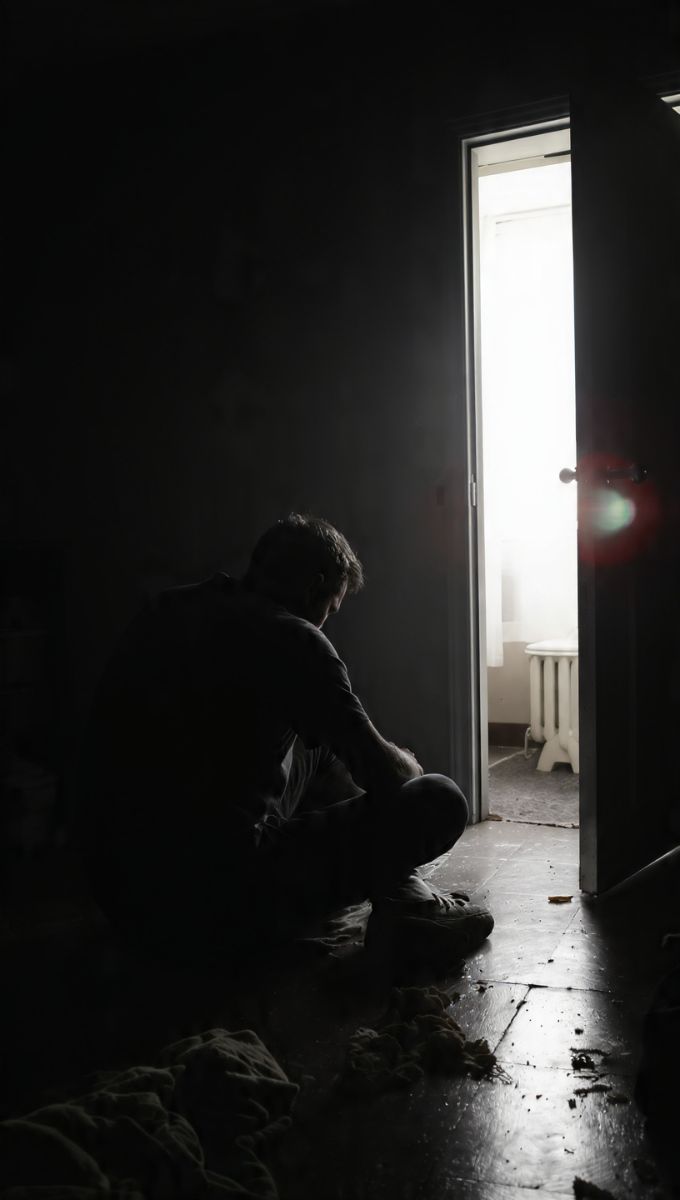
Excuses Are for Losers. Winners Get Help.
If excuses worked, addiction wouldn’t exist.
After more than a decade working in addiction treatment, I’ve heard every version of them—smart ones, emotional ones, logical-sounding ones. Some people wrap excuses in responsibility. Others dress them up as patience, timing, or independence. But at the end of the day, excuses all serve the same purpose: keeping things exactly as they are.
And addiction loves that.
People don’t cling to excuses because they’re lazy. They cling to them because excuses feel safer than action. Action risks change. Action risks failure. Action forces you to admit something isn’t working.
Excuses let you delay without deciding.
Excuses Feel Reasonable—Until Time Passes
Most excuses don’t sound ridiculous in the moment:
“I can’t take time off right now.”
“I’ll deal with it after this stressful period.”
“Other people have it worse.”
“I’m still functioning.”
I’ve watched people repeat these lines for years. Careers changed. Relationships ended. Health declined. The excuse stayed the same.
What people don’t realize is that excuses age badly. What sounds reasonable today starts to look like avoidance when you hear yourself saying it again next year. Addiction doesn’t punish you for excuses—it rewards them by tightening its grip quietly.
Winners Aren’t Stronger—They’re More Honest
One of the biggest myths in recovery is that people who get help are somehow stronger or more disciplined. That’s not what I’ve seen. The difference is honesty.
Winners stop pretending willpower alone is enough. They stop romanticizing control. They stop waiting for motivation to magically show up. Instead, they acknowledge reality: what I’m doing isn’t working, and repeating it won’t change that.
Getting help isn’t weakness—it’s strategy.
I’ve seen people burn themselves out trying to prove they could do it alone, only to realize later that independence was just another excuse. Addiction thrives in isolation. It struggles when exposed to structure and accountability.
Why “Trying Harder” Rarely Works
Most people don’t fail because they don’t try. They fail because they keep using the same tools that already failed them. More rules. More promises. More self-lectures.
Addiction doesn’t respond to effort—it responds to environment. That’s why professional Addiction Treatment in Columbus changes outcomes. Treatment removes you from the conditions that keep the habit alive and replaces them with systems that support real change.
Instead of reacting to cravings, you learn how to anticipate them. Instead of relying on motivation, you build routines. Instead of negotiating with yourself, you get clarity.
That’s not losing control—that’s taking it back.
Excuses Protect the Ego, Not Your Life
Here’s the uncomfortable part: excuses often protect identity more than health. People worry about labels, judgment, or what getting help might say about them. So they choose familiarity over improvement.
But addiction doesn’t care about your image. It doesn’t care how capable you are in other areas. It only cares about repetition.
I’ve seen people wait until consequences made the decision for them—legal trouble, medical scares, broken relationships. Not because help wasn’t available earlier, but because excuses kept them comfortable just long enough.
Winners Decide Before They’re Forced To
The people who succeed in recovery don’t wait until they’re cornered. They decide early that losing more isn’t an option. They choose discomfort now over devastation later.
They don’t pretend they’re special. They don’t assume they’ll beat the odds. They respect how addiction actually works—and they respond accordingly.
Help isn’t a last resort. It’s a smarter move.
Drop the Excuse. Keep the Life.
You don’t need a perfect moment. You don’t need to feel ready. And you don’t need permission.
You just need to stop confusing delay with control.
Excuses are easy. They cost nothing upfront—and everything later.
Winners don’t argue with reality.
They get help.